
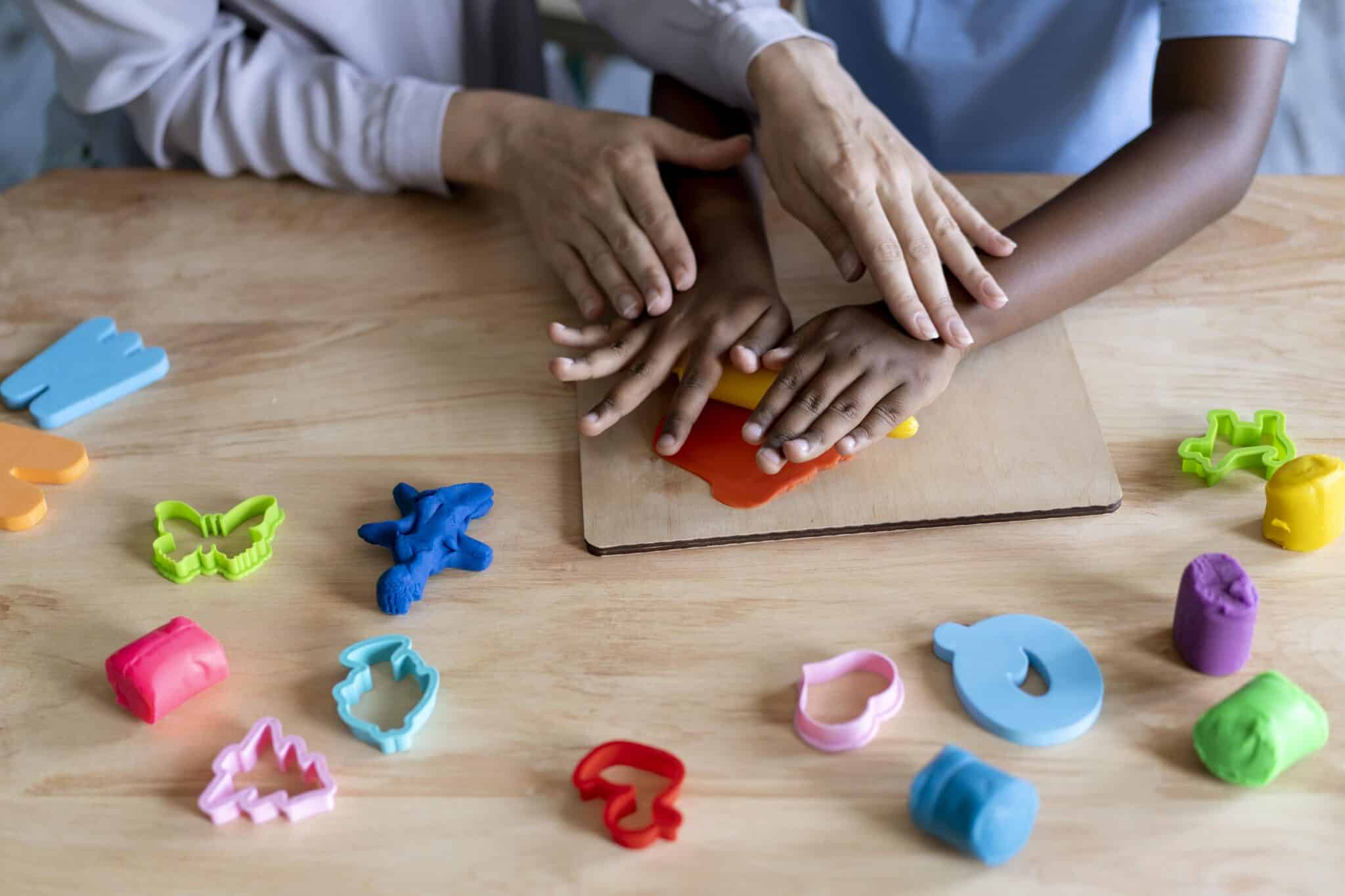
When raising a medically complex child, daily routines carry extra meaning. Play is not simply a way to pass the time—it becomes therapy, development, emotional connection, and confidence-building all at once. Sensory-friendly Special Needs Activities can transform ordinary moments into powerful opportunities for growth.
At Advanced Care Partners, we believe in enabling families to be families. Whether your child receives support through in-home pediatric services or participates in structured programs such as our PPEC centers, incorporating intentional Special Needs Activities into daily play helps promote regulation, independence, and joy.
This guide explores practical, sensory-friendly Special Needs Activities you can use at home every day—without overwhelming your child or your routine.
Why Sensory-Friendly Special Needs Activities Matter
Children with medical complexities or developmental differences often process sensory input differently from their peers. Everyday experiences such as bright lights, background noise, or certain textures may feel overwhelming. At the same time, some children actively seek movement, pressure, or tactile input to feel regulated.
Thoughtfully chosen Special Needs Activities help children process these sensory experiences in safe and structured ways. When implemented consistently, these activities can improve emotional regulation, support motor development, enhance communication, and strengthen family bonds. Most importantly, sensory-friendly Special Needs Activities create a sense of predictability and comfort that helps children feel secure.
Play should never feel like another medical task on the to-do list. Instead, the right Special Needs Activities can turn therapeutic support into meaningful engagement.
Understanding Sensory Processing in Special Needs Activities
Every child’s sensory profile is unique. Some children are sensory-seeking and crave strong input such as deep pressure, movement, or textured materials. Others are sensory-sensitive and may withdraw from loud sounds, bright environments, or unfamiliar textures.
When choosing Special Needs Activities, it is important to consider how your child responds to tactile input, body awareness, balance and movement, sound, and visual stimulation. Paying attention to these factors allows you to select Special Needs Activities that calm rather than overstimulate.
By tailoring activities to your child’s needs, you reduce stress while maximizing developmental benefits.
Tactile Special Needs Activities for Daily Play
Tactile Special Needs Activities are especially helpful for children who benefit from hands-on exploration. Sensory bins filled with rice, beans, kinetic sand, or other safe materials allow children to explore textures while practicing fine motor skills. Scooping, pouring, and sorting encourage coordination and focus while keeping the experience playful and engaging.
Texture boards can also be valuable Special Needs Activities. By attaching different fabrics such as fleece, cotton, or velvet to a sturdy board, children can gradually build tolerance to various sensations in a controlled and supportive way.
For children receiving in-home pediatric care, tactile Special Needs Activities can be adapted for hygiene and safety while still providing meaningful sensory input.
Proprioceptive Special Needs Activities for Regulation
Proprioceptive Special Needs Activities provide deep pressure and body awareness, helping children feel grounded and secure. These types of activities are often referred to as “heavy work” and may include pushing against a wall, carrying lightweight objects, crawling like animals, or gently pushing a therapy ball.
These Special Needs Activities are particularly effective for children who become easily overstimulated or have difficulty sitting still. The deep pressure input can calm the nervous system and improve focus.
Weighted lap pads or blankets may also be incorporated during quiet play when recommended by a healthcare professional. Always consult your care team before introducing weighted tools, especially if your child has respiratory or mobility concerns.
Vestibular Special Needs Activities for Movement
Movement-based Special Needs Activities support balance, coordination, and confidence. Simple indoor obstacle courses using pillows or tape lines on the floor can encourage crawling, stepping, and balancing in a fun and safe way.
For families who have the space and appropriate medical clearance, sensory swings may provide gentle vestibular input that helps regulate mood and attention. Movement-based Special Needs Activities are often incorporated into structured environments like PPEC programs, where therapeutic goals blend seamlessly with play.
When done safely and with supervision, these activities help children develop body awareness and trust in their own movements.
Auditory-Friendly Special Needs Activities
Some children are highly sensitive to sound. In these cases, auditory-friendly Special Needs Activities should be gentle, predictable, and controlled. Playing soft instrumental music during quiet play can create a soothing environment without overwhelming the child.
Pairing verbal instructions with visual cues, such as picture schedules or visual timers, also supports smoother transitions between activities. Predictability is essential in Special Needs Activities, especially for children who struggle with sudden changes.
Calming Special Needs Activities for Emotional Regulation
Calming Special Needs Activities focus on soothing the nervous system. Deep breathing exercises using bubbles or pinwheels can help children learn self-regulation in an engaging way. Creating a quiet corner with soft pillows, dim lighting, and familiar comfort items provides a safe retreat when stimulation becomes overwhelming.
Guided story time with predictable, repetitive books can also serve as calming Special Needs Activities that reinforce routine and security. Supervised water play is another soothing option, as the repetitive movement and sensory input can promote relaxation.
These calming Special Needs Activities are particularly beneficial for medically fragile children who may already experience heightened stress from medical routines.
Incorporating Special Needs Activities into Daily Routines
One of the most effective ways to use Special Needs Activities is by embedding them into existing routines. Morning sensory play, structured after-school wind-down time, or calming bedtime rituals can all include simple Special Needs Activities that support regulation.
Children receiving private-duty nursing or personal care services often benefit when caregivers collaborate with families to integrate Special Needs Activities into care plans. This ensures consistency across all environments and promotes steady developmental progress.
Consistency builds confidence. When Special Needs Activities become predictable parts of the day, children feel more secure and better able to manage transitions.
Making Special Needs Activities Safe at Home
Safety must remain the top priority when planning Special Needs Activities. Materials should be non-toxic and appropriate for your child’s developmental level. Small objects should be avoided if choking is a concern. Activities should always be adapted for mobility limitations or medical equipment.
Families transitioning into home-based care may find that structured play routines help reduce anxiety and establish stability. Collaborating with healthcare providers ensures that Special Needs Activities align with medical needs and therapeutic goals.
The Role of Family in Special Needs Activities
Family involvement transforms Special Needs Activities into meaningful bonding opportunities. When siblings are included in adapted ways, it promotes empathy and connection while reinforcing a sense of normalcy.
A strong support system plays a vital role in pediatric home health success. When families and caregivers work together, Special Needs Activities become part of a comprehensive approach that nurtures emotional, physical, and developmental growth.
When to Seek Professional Guidance
While many Special Needs Activities can be implemented at home, professional guidance is essential if your child becomes frequently overwhelmed, shows extreme sensory avoidance, or requires specialized positioning. Occupational therapists, physical therapists, and pediatric nurses can personalize Special Needs Activities to meet specific goals safely.
At Advanced Care Partners, we are committed to going above and beyond for medically fragile families. Supporting development through sensory-friendly Special Needs Activities is one way we help families create stability and joy within everyday routines.
Creating a Daily Play Plan with Special Needs Activities
The most effective Special Needs Activities are predictable, adaptable, engaging, and safe. Begin with one or two activities and observe how your child responds. Adjust gradually based on comfort and progress.
Remember that progress is not about perfection. It is about connection. Sensory-friendly Special Needs Activities provide children with opportunities to regulate their emotions, strengthen their bodies, and build confidence—all within the comfort of home.
When thoughtfully integrated into daily routines, Special Needs Activities become more than play. They become a foundation for growth, resilience, and family connection.
At Advanced Care Partners, our mission is simple: enable families to be families while delivering exceptional care. Through compassionate support and intentional Special Needs Activities, every day can be an opportunity for your child to thrive.