
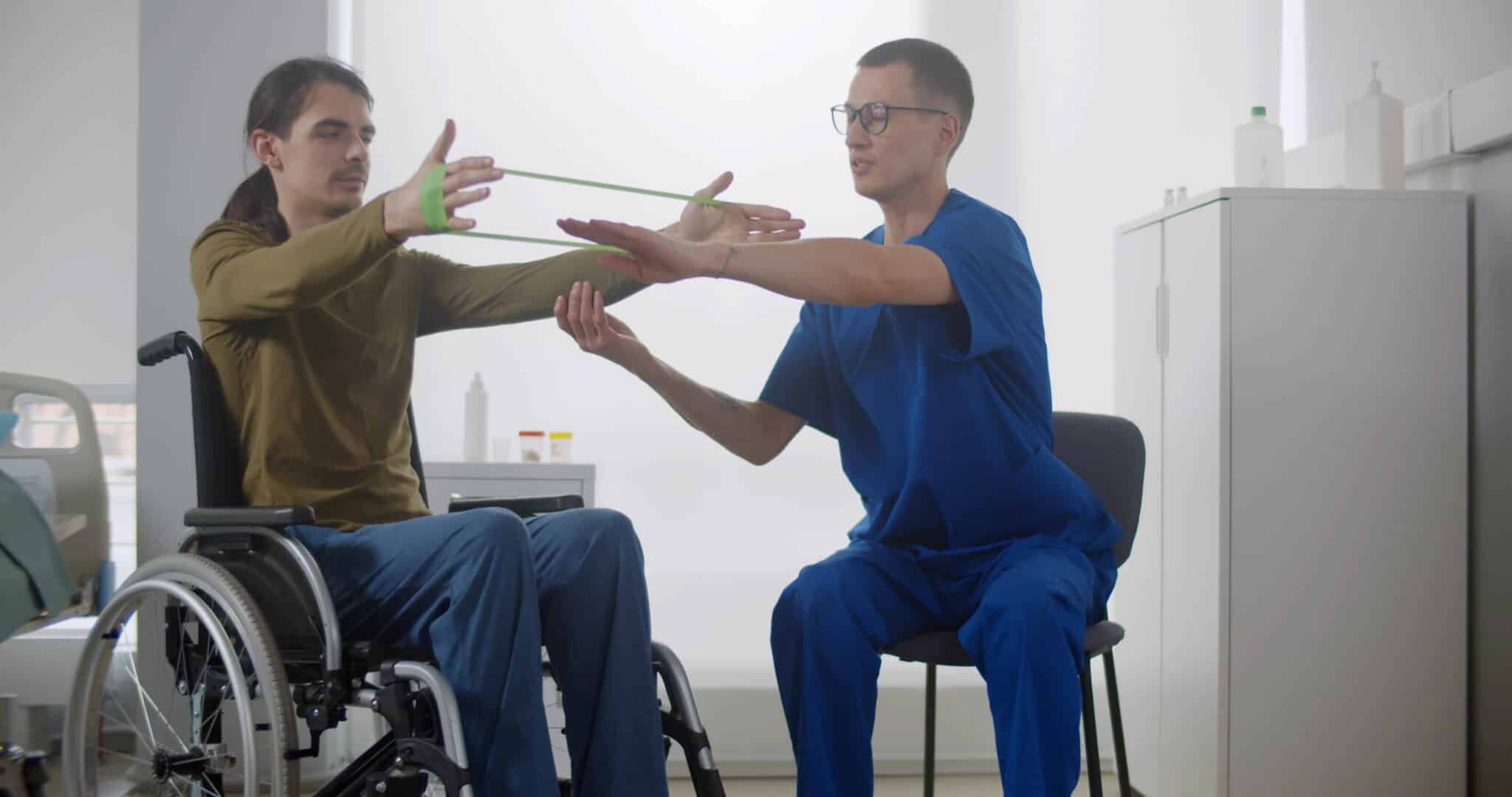
When your child requires therapy services at home, understanding the difference between occupational vs physical therapy can feel overwhelming. Both therapies are essential components of pediatric home health care, but they focus on different aspects of your child’s development and independence.
At Advanced Care Partners, we believe informed families make empowered decisions. As Georgia’s trusted home-care provider for the medically fragile community, our goal is to help you understand how occupational vs physical therapy works within home health care settings and how each can support your child’s growth, safety, and quality of life.
Understanding Occupational vs Physical Therapy
When comparing occupational vs physical therapy, it is important to recognize that while both therapies improve function and mobility, their core goals differ. Physical therapy primarily focuses on improving movement, strength, balance, and coordination. Occupational therapy, on the other hand, helps children develop the skills needed for daily living and independence.
Both therapies are frequently integrated into in-home pediatric care plans to create a comprehensive and personalized approach. Instead of choosing one over the other, many families find that occupational vs physical therapy works best when delivered together under a coordinated plan of care.
What Is Physical Therapy in Home Health?
Physical therapy in home health care focuses on helping children improve their gross motor skills and overall physical function. When examining occupational vs physical therapy, physical therapy specifically addresses how the body moves and how strength and coordination can be improved to increase independence.
The goals of physical therapy typically include improving muscle strength, increasing flexibility, enhancing balance and coordination, developing proper posture, learning to walk or improving gait patterns, and recovering from injury or surgery. In a home health setting, these goals are tailored to your child’s actual environment. Instead of practicing walking in a clinic hallway, your child may practice navigating your living room, climbing household stairs, or transitioning safely from bed to wheelchair.
This real-world application is one of the greatest benefits of in-home care services. Therapy becomes practical and directly connected to daily life, making progress more meaningful and sustainable.
Children receiving pediatric home care often benefit from physical therapy if they have neurological disorders, genetic conditions, muscular dystrophy, cerebral palsy, spinal cord injuries, or developmental delays. In medically complex cases, physical therapy works alongside skilled nursing services to ensure safe mobility while managing equipment such as ventilators, feeding tubes, or other medical technologies.
What Is Occupational Therapy in Home Health?
When comparing occupational vs physical therapy, occupational therapy focuses on helping children participate in meaningful daily activities, often referred to as “occupations.” For children, these occupations include playing, eating, dressing, bathing, writing, attending school, and interacting socially.
Occupational therapy goals typically center on developing fine motor skills such as grasping, writing, and manipulating small objects. Therapists also work to improve hand-eye coordination, build sensory processing skills, strengthen self-care abilities, increase independence with daily routines, and adapt home environments for safety and accessibility.
In home health care settings, occupational therapy becomes highly personalized. Therapists work within your child’s real-life environment, helping them learn how to hold utensils at your kitchen table, practice dressing in their own bedroom, or complete homework at their desk. This aligns with the personalized care approach described in individualized pediatric care planning, where each aspect of the child’s health and development is considered.
Many children with medically complex conditions also experience sensory challenges. Occupational therapists use play-based interventions and structured activities to improve focus, reduce sensory overload, and enhance participation in daily life. By addressing both physical and developmental needs, occupational therapy plays a key role in comprehensive home health care.
Occupational vs Physical Therapy: Key Differences
Understanding occupational vs physical therapy becomes clearer when you focus on their primary objectives. Physical therapy is designed to improve how the body moves, concentrating on large muscle groups and overall mobility. Occupational therapy is designed to improve how the child functions in daily life, concentrating on fine motor skills, adaptive strategies, and independence with everyday tasks.
Physical therapy emphasizes strengthening muscles, improving balance, and refining walking or movement patterns. Occupational therapy emphasizes building independence with activities such as feeding, dressing, writing, and sensory regulation. While physical therapy addresses gross motor skills like standing and walking, occupational therapy addresses fine motor and functional life skills.
Even though occupational vs physical therapy have distinct roles, they often overlap in meaningful ways. For example, a child may need improved core strength from physical therapy in order to sit upright long enough to eat independently, which is supported through occupational therapy.
How Occupational vs Physical Therapy Work Together in Home Health
In pediatric home health care, therapy services are rarely isolated. Instead, occupational vs physical therapy are integrated into a coordinated care plan designed around the child’s full range of needs.
At Advanced Care Partners, therapy services are part of a broader system of pediatric home care support that may include private-duty nursing, personal care support, school nursing services, and hospital-to-home transitions. Therapists communicate regularly with nurses, physicians, and families to ensure consistency and measurable progress.
For example, a physical therapist may focus on improving trunk strength and balance, while an occupational therapist uses that improved stability to work on feeding posture or writing tasks. This collaborative approach reflects the importance of building a strong support system in pediatric home health , where coordination between providers leads to better outcomes and a smoother care experience for families.
Benefits of Occupational vs Physical Therapy in the Home
Home health care offers unique advantages when delivering occupational vs physical therapy. One of the most important benefits is the familiarity of the home environment. Children often feel more comfortable and less anxious practicing new skills at home, which increases participation and engagement.
Another major advantage is real-life skill application. Instead of simulated clinic environments, therapists address actual household challenges, such as navigating narrow hallways, adapting bathrooms, or adjusting seating arrangements in the kitchen. This makes therapy directly applicable to daily routines.
Family involvement is also significantly enhanced in home health settings. Parents and siblings can observe therapy sessions, learn techniques, and reinforce new skills throughout the week. This consistent reinforcement strengthens progress and builds confidence in caregivers.
Finally, in-home therapy reduces the stress of transportation and frequent clinic visits. Families managing medically complex conditions already juggle numerous appointments, and home-based therapy simplifies care delivery while maintaining high-quality standards.
When Does a Child Need Occupational vs Physical Therapy?
Families often wonder whether their child needs occupational vs physical therapy, or both. Therapy may be beneficial if a child shows delays in sitting, crawling, standing, or walking; struggles to hold utensils, crayons, or small objects; has difficulty with dressing, feeding, or other self-care tasks; experiences balance or coordination challenges; or demonstrates sensory sensitivities that affect daily activities.
A physician’s referral and a comprehensive evaluation determine the appropriate therapy plan. In many cases, occupational vs physical therapy are prescribed together to address multiple developmental areas simultaneously, ensuring well-rounded progress.
The ACP Difference in Therapy Services
At Advanced Care Partners, therapy services are delivered within a culture of commitment, kindness, thoughtfulness, and perseverance. Our caregivers are trained in continuous improvement and patient safety practices, ensuring that every child receives attentive, high-quality care.
We understand that occupational vs physical therapy decisions are not just clinical; they are deeply personal. Every child deserves care that respects their dignity, fosters independence, and supports their full potential. That philosophy aligns with our mission of enabling families to be families.
Insurance and Accessibility
Many pediatric home health services, including occupational and physical therapy, may be covered under Medicaid programs, waivers, private insurance plans, or private pay options. Our intake team works closely with families to navigate approvals and authorizations, helping make the process as smooth as possible.
Final Thoughts on Occupational vs Physical Therapy
When considering occupational vs physical therapy in home health care settings, it helps to remember the fundamental distinction. Physical therapy helps your child move better by improving strength, coordination, and balance. Occupational therapy helps your child live better by improving independence with everyday tasks.
Together, occupational and physical therapy create a powerful foundation for confidence, safety, and long-term development. With personalized care delivered in the comfort of home, children can build skills that truly matter for their daily lives.
At Advanced Care Partners, we are honored to support your family with compassionate, skilled care tailored to your child’s unique journey.