
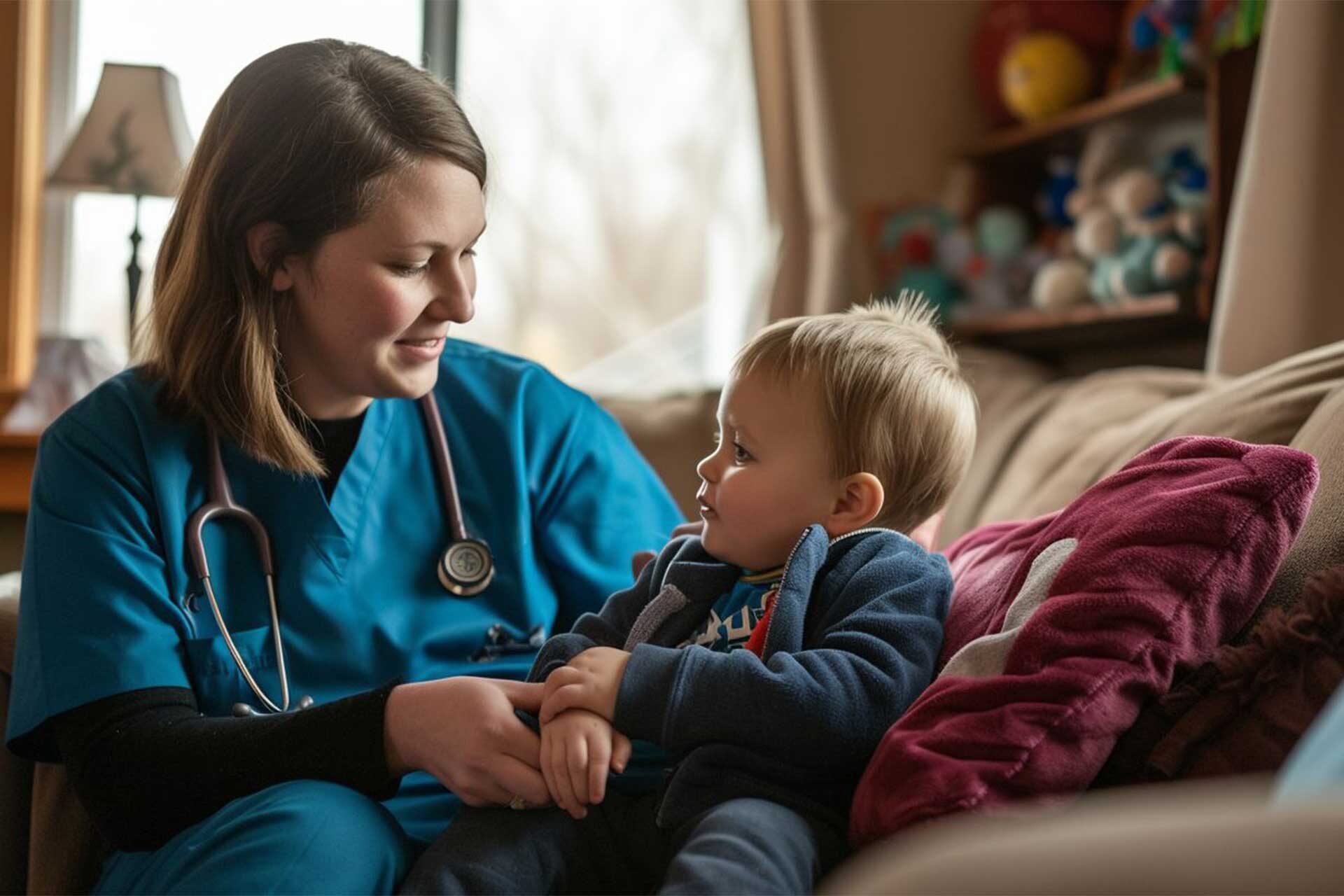
Deciding on the right level of care for a child with complex medical needs is one of the most emotional and important decisions a family can make. Pediatric long term care is designed to support children who require ongoing medical attention, skilled nursing, and consistent monitoring over an extended period of time. For many families, pediatric long term care provides stability, safety, and peace of mind while allowing their child to remain in a nurturing environment that supports growth and development.
At Advanced Care Partners, families are guided through every step of this journey with compassion, clinical expertise, and a commitment to helping families remain families. Understanding when pediatric long term care is the right choice can help parents feel more confident and informed as they plan for their child’s future.
Understanding Pediatric Long-Term Care
Pediatric long term care focuses on children who have chronic illnesses, medical fragility, or complex conditions that require consistent medical oversight. Unlike short-term care following an illness or surgery, pediatric long term care addresses ongoing needs that may last months, years, or even into adulthood.
Pediatric long term care can be delivered in the home, at school, or in structured care settings, depending on the child’s condition and family preferences. This approach emphasizes continuity of care, safety, and individualized treatment plans that evolve as a child’s needs change.
Signs Pediatric Long Term Care May Be the Right Choice
Every child and family situation is unique, but there are several common indicators that pediatric long term care may be beneficial.
Your Child Has Ongoing Medical Needs
Children who require daily medical interventions, such as ventilator support, tracheostomy care, tube feedings, or IV therapies, often benefit from pediatric long-term care. These services ensure that skilled professionals are present to manage complex care safely and consistently.
When medical needs extend beyond what can be safely managed without professional support, pediatric long term care helps reduce risks and improve overall health outcomes.
Frequent Hospitalizations Are Disrupting Daily Life
Repeated hospital stays can be physically and emotionally exhausting for both children and families. Pediatric long term care can significantly reduce hospital visits by providing proactive monitoring and timely interventions at home.
By minimizing emergency situations, pediatric long-term care promotes stability and allows children to remain in familiar surroundings where they feel safe and comfortable.
Care Needs Are Exceeding Family Capacity
Parents are incredibly resilient, but caring for a medically complex child around the clock can lead to burnout, stress, and exhaustion. Pediatric long term care offers professional support while empowering families to focus on being parents rather than full-time medical providers.
This support does not replace parental involvement. Instead, pediatric long-term care works alongside families to strengthen care routines and improve the quality of life for everyone involved.
Conditions Commonly Supported by Pediatric Long-Term Care
Pediatric long term care is often recommended for children with conditions that require consistent monitoring and specialized care.
Chronic and Congenital Conditions
Children born with congenital disorders or diagnosed with chronic illnesses often benefit from pediatric long-term care. These conditions may affect respiratory function, neurological development, cardiac health, or metabolic processes.
Pediatric long term care ensures continuity and expertise, helping children thrive despite ongoing medical challenges.
Technology-Dependent Care
Children who rely on medical technology, such as ventilators, apnea monitors, or feeding pumps, require skilled oversight. Pediatric long term care provides trained professionals who understand both the technical and emotional aspects of caring for technology-dependent children.
This level of care improves safety while allowing children to participate in daily routines at home or school.
Developmental and Neurological Disorders
Children with neurological or developmental disorders may need assistance with mobility, communication, or daily activities. Pediatric long term care supports these needs while encouraging developmental progress and independence when possible.
By tailoring care plans to the child’s abilities, pediatric long term care promotes growth and confidence.
Benefits of Choosing Pediatric Long-Term Care
Families often discover that pediatric long term care offers advantages that extend beyond medical support.
Personalized Care Plans
Pediatric long term care is built around individualized care plans that address medical, developmental, and emotional needs. These plans are regularly reviewed and adjusted to reflect changes in the child’s condition.
Personalization ensures that pediatric long-term care remains effective and relevant throughout each stage of a child’s life.
Enhanced Emotional Well-Being
Receiving care in a familiar environment helps children feel secure and reduces anxiety. Pediatric long term care allows children to remain close to loved ones, favorite toys, and daily routines that bring comfort.
Emotional stability plays a vital role in overall health, especially for children facing long-term medical challenges.
Support for the Entire Family
Pediatric long term care supports not only the child but the entire family unit. Parents gain confidence knowing their child is receiving expert care, while siblings benefit from a more balanced family dynamic.
This support system helps families navigate challenges together with less stress and more reassurance.
How Pediatric Long-Term Care Adapts as Your Child Grows
One of the most valuable aspects of pediatric long-term care is its flexibility. As children grow and develop, their care needs often change.
Transitioning Through Life Stages
Pediatric long term care evolves alongside the child, adjusting care plans to match developmental milestones and changing medical requirements. This adaptability ensures continuity and prevents disruptions in care.
For families planning long-term support, pediatric long-term care provides consistency from infancy through adolescence and beyond.
Preparing for Adult Care Transitions
As children approach adulthood, pediatric long-term care teams can help families prepare for transitions into adult care services. This planning ensures a smoother shift and reduces uncertainty during an already emotional time.
Continuity and preparation are key components of successful long-term care planning.
Making the Decision With Confidence
Choosing pediatric long-term care is not about giving up control. It is about building a partnership that prioritizes safety, growth, and quality of life.
Families are encouraged to ask questions, explore care options, and collaborate with experienced providers who understand the complexities of pediatric long-term care. With the right support, families can feel empowered and confident in their decision.
How Advanced Care Partners Supports Families
At Advanced Care Partners, pediatric long-term care is delivered with compassion, expertise, and a family-first philosophy. Highly trained caregivers work closely with families to create care plans that reflect each child’s unique needs and each family’s values.
By focusing on individualized care and long-term relationships, Advanced Care Partners helps families navigate pediatric long-term care with trust and peace of mind.
Final Thoughts on Pediatric Long-Term Care
Pediatric long-term care can be the right choice when a child requires ongoing medical support, consistent monitoring, and personalized attention that extends beyond short-term care. It provides stability, reduces hospitalizations, and supports both physical and emotional well-being.
For families facing complex medical journeys, pediatric long-term care offers a path forward rooted in compassion, expertise, and hope.