
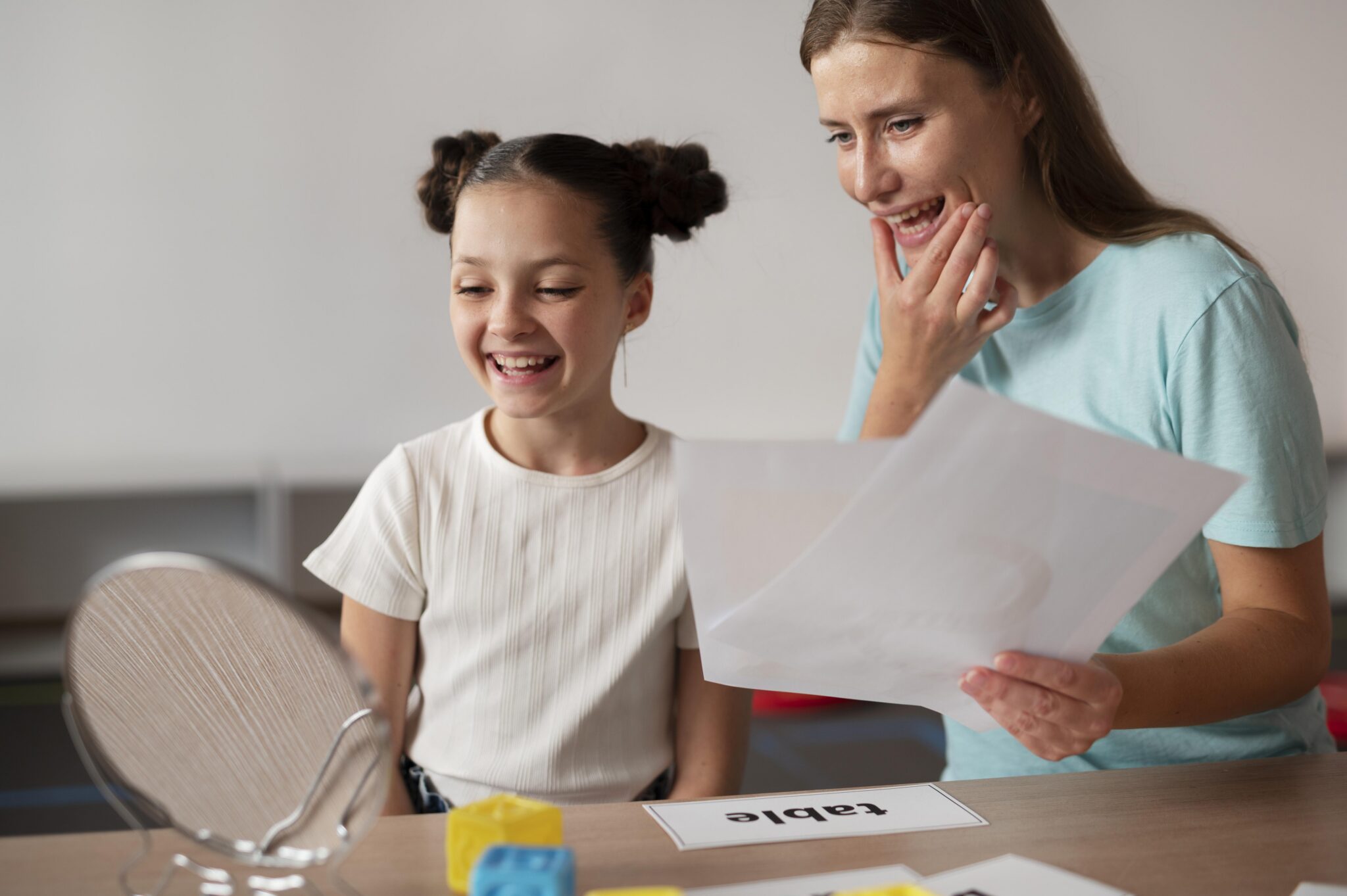
For children with complex medical needs, communication development is just as important as physical health. In many cases, delays in speech and language can impact a child’s ability to express needs, build relationships, and participate in daily activities. That is why PPEC programs integrate speech therapy into daily care in a way that is both consistent and highly effective.
Prescribed Pediatric Extended Care programs are designed to provide a comprehensive approach to care. Instead of separating medical services from developmental therapies, PPEC programs blend them together into a seamless daily experience. This allows children to receive speech therapy naturally throughout their day rather than in isolated sessions.
By embedding therapy into real-life interactions, PPEC programs create more opportunities for children to practice communication skills in meaningful and engaging ways.
Why Daily Integration Matters for Speech Development
Traditional speech therapy often takes place once or twice a week in a clinical setting. While beneficial, this limited exposure can slow progress for children who need frequent reinforcement.
When PPEC programs integrate speech therapy into daily care, children benefit from consistent practice throughout the day. This repetition helps strengthen communication skills and allows children to apply what they learn in real-world situations.
Daily integration also reduces pressure. Instead of feeling like they are in a formal therapy session, children are learning through play, routines, and social interaction. This creates a more relaxed environment where communication can develop naturally.
Consistency, repetition, and real-life application are key factors in helping children make meaningful progress in speech and language development.
Speech Therapy During Everyday Activities
One of the most effective ways that PPEC programs integrate speech therapy into daily care is by incorporating communication goals into everyday routines.
Throughout the day, children are encouraged to practice communication during activities such as meals, playtime, group learning, and transitions between tasks. These moments provide natural opportunities to build language skills.
For example, during snack time, a child may be encouraged to request items using words, gestures, or a communication device. During playtime, therapists and caregivers may guide children to name objects, describe actions, or interact with peers.
Even simple routines like washing hands or cleaning up toys can become opportunities to practice following directions and understanding language.
This approach ensures that speech therapy is not limited to a specific time block. Instead, it becomes part of the child’s entire day, reinforcing skills in a variety of contexts.
Collaboration Between Speech Therapists and Care Teams
A major strength of PPEC programs is the collaborative environment. Speech-language pathologists do not work in isolation. They partner closely with nurses, caregivers, and other therapists to support each child’s communication goals.
This team-based approach allows for consistent reinforcement of speech strategies across all aspects of care. Caregivers are trained to use specific techniques that encourage communication, such as modeling language, asking open-ended questions, and providing prompts when needed.
Because everyone is aligned, children receive the same level of support throughout the day. This consistency is essential for building strong communication skills.
Collaboration also allows for real-time adjustments. If a child is struggling with a particular skill, the care team can adapt strategies immediately to better support their progress.
Personalized Communication Strategies
Every child in a PPEC program has unique communication needs. That is why PPEC programs integrate speech therapy into daily care using personalized strategies tailored to each child.
Speech therapists begin by assessing the child’s current abilities and identifying areas for growth. From there, they develop individualized goals that are incorporated into daily activities.
Some children may focus on developing verbal speech, while others may work on understanding language or using alternative communication methods. The key is to meet each child where they are and build from there.
These personalized plans are flexible and evolve over time. As children make progress, goals are adjusted to continue challenging and supporting their development.
Supporting Alternative Communication Methods
Not all children communicate verbally, and PPEC programs recognize the importance of providing multiple ways for children to express themselves.
As part of how PPEC programs integrate speech therapy into daily care, many centers incorporate alternative and augmentative communication methods. These may include picture boards, communication apps, or sign language.
These tools are used consistently throughout the day, allowing children to communicate during all activities. For example, a child might use a communication device to choose a snack, participate in a group activity, or express a need.
By integrating these tools into daily routines, children become more comfortable and confident using them. This helps reduce frustration and increases independence.
Encouraging Social Communication Through Peer Interaction
Social interaction is a key component of communication development, and PPEC programs provide a unique environment where children can practice these skills with peers.
When PPEC programs integrate speech therapy into daily care, they create opportunities for children to engage with others during group activities, playtime, and structured learning.
These interactions help children learn how to take turns, respond to others, and use language in social contexts. Caregivers and therapists guide these interactions, providing support and encouragement as needed.
Being surrounded by peers also motivates children to communicate. They are more likely to attempt new words or gestures when they see others doing the same.
This social aspect of PPEC programs plays a significant role in helping children develop confidence and communication skills.
Building Confidence Through Consistent Practice
As children practice communication throughout the day, they begin to feel more confident in their abilities. Small successes, such as asking for help or participating in a conversation, build a strong foundation for independence.
Because PPEC programs integrate speech therapy into daily care, children experience frequent opportunities to succeed. This consistent reinforcement helps them develop a positive relationship with communication.
Over time, children become more willing to express themselves and engage with others. This confidence extends beyond the PPEC setting and into their home and community environments.
Family Involvement and Ongoing Support
Families play an important role in a child’s communication development, and PPEC programs prioritize collaboration with parents and caregivers.
Speech therapists often share strategies that families can use at home to reinforce communication skills. This may include modeling language, encouraging choices, and using communication tools consistently.
By aligning efforts between the PPEC center and the home environment, children receive continuous support that enhances their progress.
This partnership ensures that communication development remains a priority both inside and outside of the care setting.
Long-Term Benefits of Daily Speech Integration
The long-term impact of integrating speech therapy into daily care is significant. Children who receive consistent, personalized support are more likely to develop strong communication skills that support their overall growth.
These benefits include improved social interactions, greater independence, enhanced emotional well-being, and better readiness for school and other environments.
By addressing communication needs early and consistently, PPEC programs help set children up for long-term success.
At Advanced Care Partners, this integrated approach reflects a commitment to providing comprehensive care that goes beyond medical treatment. Their focus on communication development ensures that every child has the opportunity to connect, express, and thrive.
Helping Children Communicate with Confidence
At its core, the way PPEC programs integrate speech therapy into daily care is about creating opportunities. Opportunities to communicate, to connect, and to grow.
By embedding speech therapy into everyday routines, fostering collaboration among care teams, and supporting each child’s unique needs, PPEC programs create an environment where communication skills can flourish.
For families, this means more than progress in speech. It means watching their child gain confidence, build relationships, and take meaningful steps toward independence.
Choosing a PPEC program is choosing a path where communication is not just taught, but lived every day.