
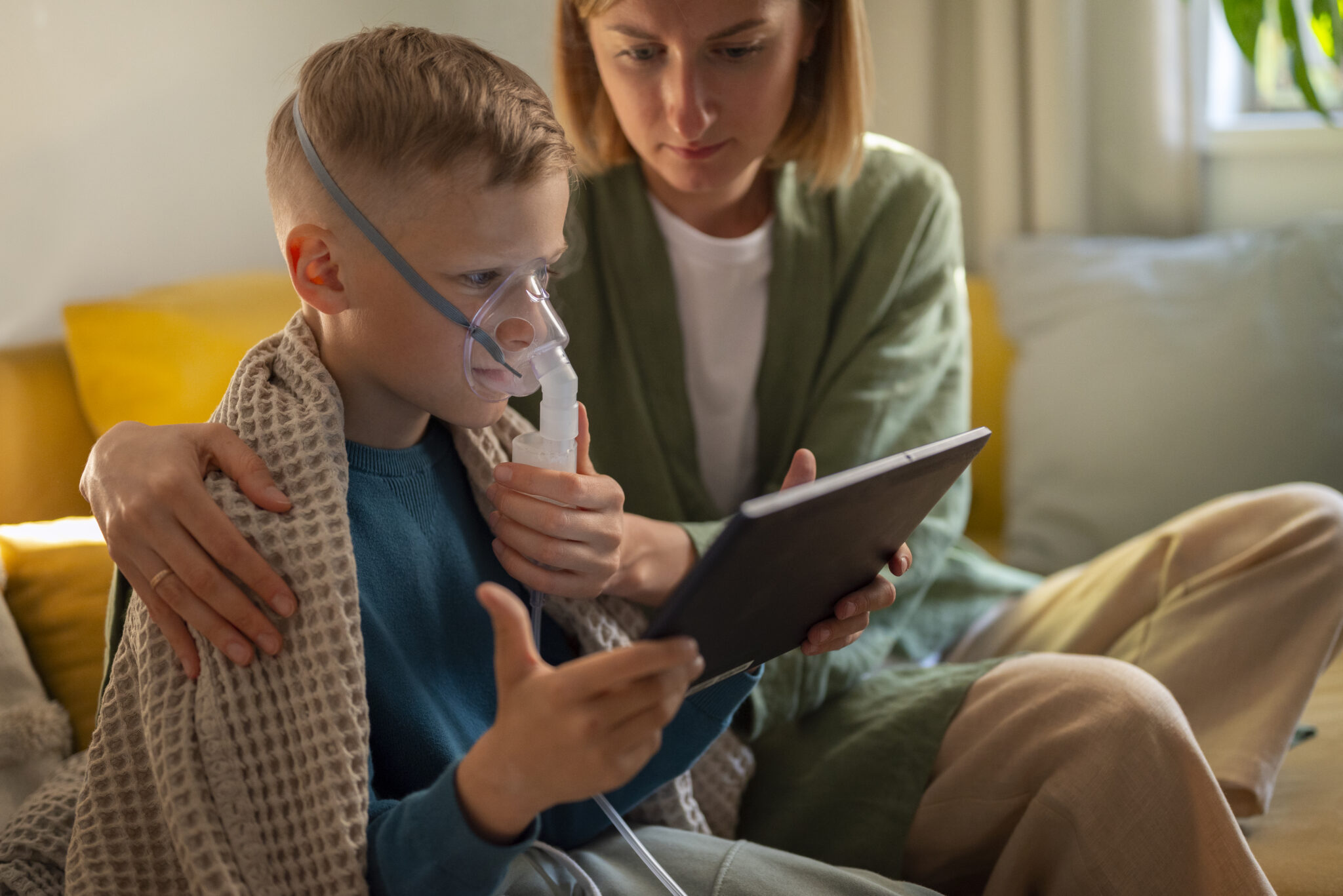
When a child has medical needs, comfort becomes more than just a preference. It becomes a key part of their overall well-being. Children who feel safe, relaxed, and supported are more likely to respond positively to care, engage in daily activities, and continue developing emotionally and physically. That is exactly why in-home pediatric care helps children live more comfortably in ways that traditional care settings often cannot.
In-home pediatric care brings skilled medical support directly into a child’s home. Instead of adjusting to a hospital or facility, care is built around the child’s environment, routines, and family life. This approach allows children to receive high-quality care while remaining in a place where they feel most secure.
At Advanced Care Partners, this model of care focuses on creating a balance between medical support and everyday comfort, ensuring that children can thrive while receiving the care they need.
The Comfort of Familiar Surroundings
One of the most immediate ways in-home pediatric care helps children live more comfortably is by allowing them to stay in their own home. Familiar surroundings play a powerful role in reducing stress and anxiety, especially for children who may already feel overwhelmed by their medical condition.
Being at home means children can sleep in their own beds, play with their favorite toys, and interact with family members throughout the day. These simple comforts create a sense of normalcy that is difficult to replicate in a clinical setting.
A familiar environment also helps children feel more in control. This sense of security can improve their emotional well-being and make it easier for them to cooperate with care routines and treatments.
Personalized Care Designed Around the Child
Every child is unique, and their care should reflect that. One of the biggest reasons in-home pediatric care helps children live more comfortably is the ability to create highly personalized care plans.
Care teams take into account the child’s medical history, daily routines, preferences, and developmental needs. This allows them to deliver care in a way that feels natural and supportive rather than disruptive.
For example, care can be scheduled around the child’s sleep patterns, meals, and activities. Therapies and treatments can be adapted to fit into the child’s day rather than forcing the child to adjust to a rigid schedule.
This personalized approach ensures that care supports the child’s comfort while still meeting all medical requirements.
Reducing Stress from Hospital Visits
Frequent hospital visits can be stressful for both children and their families. Long waits, unfamiliar environments, and exposure to other illnesses can create anxiety and discomfort.
This is another key reason why in-home pediatric care helps children live more comfortably. By receiving care at home, children can avoid many of the challenges associated with hospital visits.
In-home care reduces travel time and allows children to remain in a calm, controlled environment. It also minimizes disruptions to their daily routine, which is especially important for children who thrive on consistency.
By eliminating these stressors, children can focus more on healing and development.
Building Strong Relationships with Caregivers
Comfort is not just about the environment. It is also about the people providing care. In-home pediatric care allows children to build strong, consistent relationships with their caregivers.
Over time, nurses and caregivers become familiar faces who understand the child’s needs, preferences, and personality. This familiarity helps children feel more at ease during care routines.
When children trust their caregivers, they are more likely to cooperate with treatments and engage in activities. This creates a more positive experience and contributes to better outcomes.
Because in-home pediatric care helps children live more comfortably, it fosters a sense of connection and trust that is essential for both emotional and physical well-being.
Supporting Emotional Well-Being
A child’s emotional health is closely tied to their physical comfort. In-home pediatric care provides an environment where children can feel supported, loved, and understood.
Being surrounded by family members offers constant emotional reassurance. Parents and siblings can be present during care, providing encouragement and comfort throughout the day.
This level of emotional support helps reduce fear and anxiety. It also promotes a positive mindset, which can play a significant role in recovery and development.
In-home care allows children to maintain important family bonds while receiving the medical attention they need.
Encouraging Normal Childhood Experiences
One of the most meaningful ways in-home pediatric care helps children live more comfortably is by allowing them to experience everyday childhood moments.
Even with medical needs, children still benefit from play, learning, and social interaction. In-home care makes it possible for children to participate in these activities without leaving their environment.
Whether it is playing with siblings, engaging in educational activities, or simply enjoying their favorite hobbies, these experiences contribute to a child’s overall happiness and development.
Maintaining a sense of normalcy helps children feel like children first, rather than patients.
Consistent Routines That Promote Stability
Children thrive on routine, and consistency is especially important for those with medical conditions. In-home pediatric care supports structured daily routines that provide stability and predictability.
Caregivers work with families to establish schedules that include medical care, therapy, meals, and rest. This consistency helps children feel secure and understand what to expect throughout the day.
Stable routines also improve cooperation and reduce anxiety. When children know what comes next, they are more likely to engage positively with their care.
Because in-home pediatric care helps children live more comfortably, it creates a balanced daily structure that supports both health and well-being.
Empowering Families to Be Part of Care
In-home pediatric care allows families to play an active role in their child’s care journey. This involvement not only benefits the child but also strengthens the family as a whole.
Care teams provide guidance and support, helping parents feel more confident in managing their child’s needs. This collaborative approach ensures that care is consistent and aligned across all settings.
Families are able to stay closely connected to their child’s progress, celebrating milestones and supporting growth every step of the way.
This partnership creates a supportive environment where children feel secure and understood.
Long-Term Benefits of Comfort Care
The comfort provided by in-home pediatric care has lasting effects on a child’s development and quality of life. When children feel safe and supported, they are more likely to engage in therapy, build skills, and develop independence.
Over time, this leads to improved health outcomes, stronger emotional resilience, and greater confidence.
By focusing on comfort, in-home pediatric care creates a foundation for long-term success. It supports not only immediate needs but also future growth and development.
Creating a Better Care Experience for Every Child
At its core, the reason in-home pediatric care helps children live more comfortably is simple. It brings care to where children feel safest and most supported.
From personalized care plans and reduced stress to stronger relationships and emotional support, every aspect of in-home care is designed with the child in mind.
At Advanced Care Partners, this commitment to comfort and quality care ensures that every child receives the attention they need while enjoying the experiences that make childhood special.
Choosing in-home pediatric care is about more than convenience. It is about giving children the opportunity to heal, grow, and live comfortably in the place they call home.