
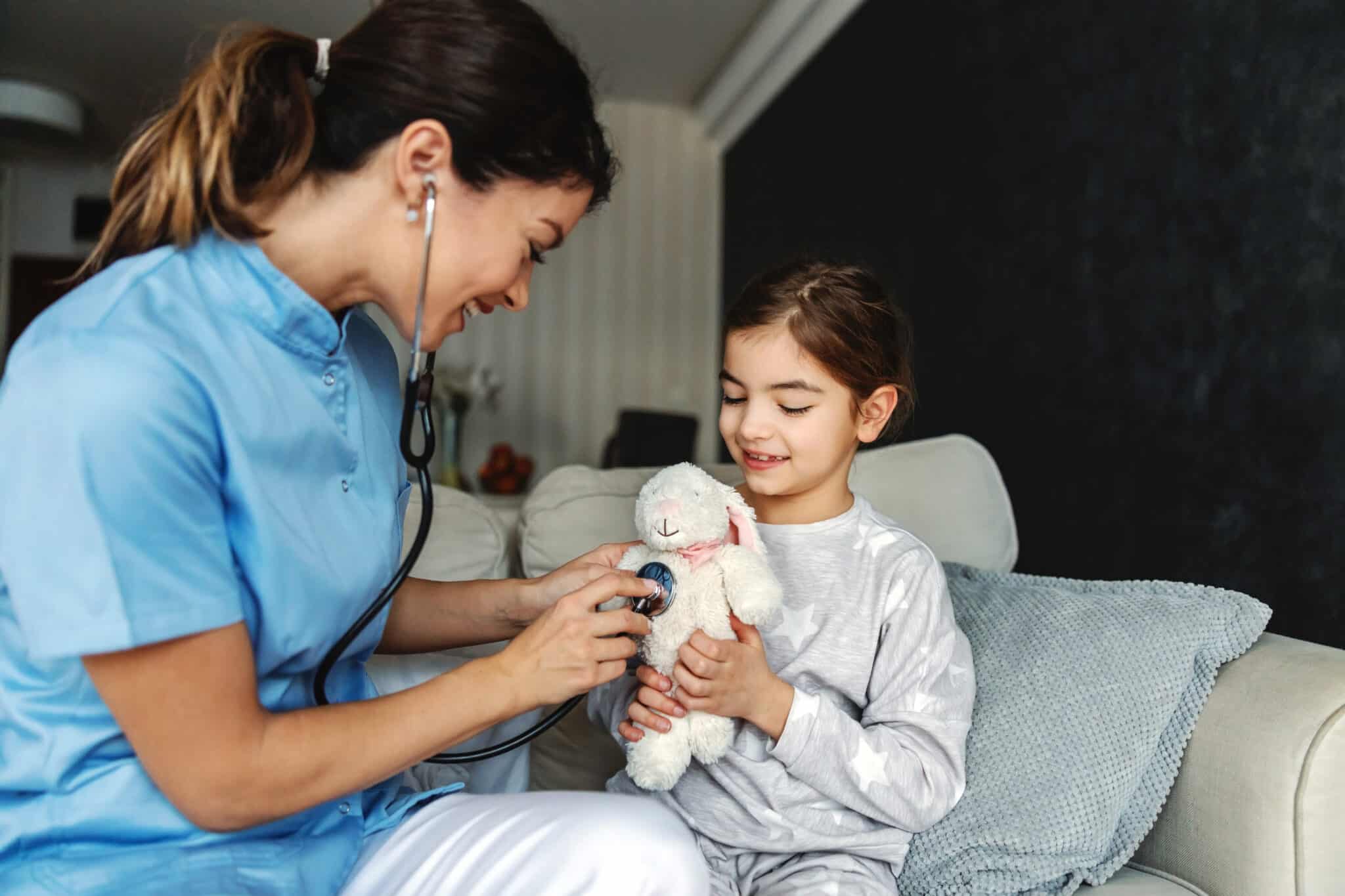
Families caring for medically complex children face challenges that extend far beyond routine parenting. Daily life often includes managing medical equipment, coordinating appointments, administering treatments, and responding to emergencies. In Georgia, the Georgia Pediatric Partnership Program, commonly known as GAPP, plays a critical role in helping families access in-home pediatric nursing so children can receive high-quality medical care without leaving the comfort and safety of home.
This comprehensive guide explains how GAPP works, why it is so important for families across Georgia, and how it supports access to in-home pediatric nursing services that truly make a difference in a child’s quality of life.
Understanding GAPP and Its Purpose
GAPP is a Georgia Medicaid program specifically designed for medically fragile and medically complex children under the age of 21. The goal of GAPP is to ensure eligible children receive the skilled nursing care and personal care support they need in their homes rather than relying solely on hospitals or long-term care facilities.
Through GAPP, families can access in-home pediatric nursing services that address both short-term and long-term medical needs. These services are approved based on the child’s diagnosis, medical complexity, and physician orders. By focusing on care in the home, GAPP supports better outcomes while allowing children to grow and develop in familiar surroundings.
Why In-Home Pediatric Nursing Is Essential
In-home pediatric nursing is more than convenience. For many families, it is medically necessary. Children with complex conditions may require ventilator care, tracheostomy management, tube feedings, medication administration, seizure monitoring, or continuous respiratory support. Managing these needs without professional help can be overwhelming and unsafe.
With GAPP, in-home pediatric nursing allows licensed nurses to provide skilled care while also educating parents and caregivers. This approach reduces medical risks, supports developmental progress, and gives families peace of mind knowing a trained professional is present to monitor their child’s condition.
How GAPP Improves Access to Care for Georgia Families
One of the biggest challenges families face is navigating eligibility requirements, insurance approvals, and provider coordination. GAPP exists to simplify this process and ensure families are not left to navigate the system alone.
Medical Eligibility and Physician Collaboration
To qualify for GAPP, a child must meet specific medical criteria. These criteria are based on diagnosis, medical technology dependence, and the level of skilled care required. GAPP works closely with physicians to ensure documentation accurately reflects the child’s needs. This collaboration helps prevent under-approval of services and ensures children receive appropriate nursing hours.
Coverage for Skilled Nursing Services
Once approved, GAPP covers in-home skilled nursing services that may include day shifts, overnight care, or even 24-hour support depending on medical necessity. This coverage allows families to focus on their child’s well-being instead of worrying about how to pay for care.
Ongoing Reviews and Adjustments
Children’s medical needs change over time. GAPP supports ongoing reassessments to ensure care plans continue to meet those needs. If a child’s condition becomes more complex or improves, nursing hours can be adjusted accordingly, ensuring care remains appropriate and effective.
The Role of Home Health Providers in GAPP Services
While GAPP provides the coverage, home health agencies deliver the care. Partnering with an experienced pediatric home health provider is essential for families to fully benefit from GAPP.
Organizations like Advanced Care Partners specialize in pediatric private duty nursing and work directly with families enrolled in GAPP. These providers manage the intake process, coordinate nurse placement, and ensure caregivers are trained to meet the child’s specific needs.
How GAPP Supports Family Stability
Caring for a medically complex child is not just physically demanding; it is emotionally exhausting. GAPP helps stabilize families by providing consistent, reliable nursing care in the home.
With in-home pediatric nursing through GAPP, parents are able to rest, return to work, care for siblings, and focus on family life without sacrificing their child’s medical safety. This balance is essential for long-term family health and well-being.
Reducing Hospitalizations Through GAPP
Frequent hospitalizations are common for medically fragile children without adequate in-home support. These hospital stays are disruptive, stressful, and costly. GAPP helps reduce unnecessary hospital visits by ensuring children receive continuous monitoring and skilled care at home.
When issues arise, in-home nurses can intervene early, often preventing complications that would otherwise require emergency care. This proactive approach leads to better health outcomes and improved quality of life.
Steps to Get Started With GAPP
Getting started with GAPP begins by reaching out to a pediatric home health provider or directly discussing the program with your child’s physician. Families are guided through gathering medical records, physician orders, and completing the necessary applications. Throughout the process, providers help communicate with Medicaid and ensure documentation accurately reflects the child’s needs.
Once approved, families are matched with a home health agency that provides in-home pediatric nursing under GAPP. Nursing services begin after staffing is finalized, and care plans are reviewed regularly to ensure ongoing effectiveness.
Why Families Across Georgia Rely on GAPP
Families across Georgia rely on GAPP because it provides access to care that would otherwise be financially impossible. The program recognizes that medically complex children deserve to grow, learn, and thrive at home with their families.
Through GAPP, children receive personalized care plans, skilled nursing support, and continuity of care that supports both medical needs and emotional development. Parents gain a trusted partner in care rather than carrying the burden alone.
GAPP and Long-Term Pediatric Care Planning
As children grow, their care needs evolve. GAPP plays a crucial role in long-term planning by allowing continuity of care from infancy through adolescence. For families, this consistency reduces disruptions and supports smoother transitions between stages of care.
When paired with an experienced provider, GAPP becomes more than a program—it becomes a foundation for sustainable, compassionate pediatric care.
Conclusion
GAPP is a lifeline for families in Georgia caring for medically complex children. By covering in-home pediatric nursing services, supporting physician collaboration, and reducing barriers to care, GAPP empowers families to keep their children safe at home, where they belong.
For parents navigating complex medical needs, GAPP offers not just coverage, but confidence, stability, and hope. With the right support system in place, families can focus less on logistics and more on what truly matters—being a family.