
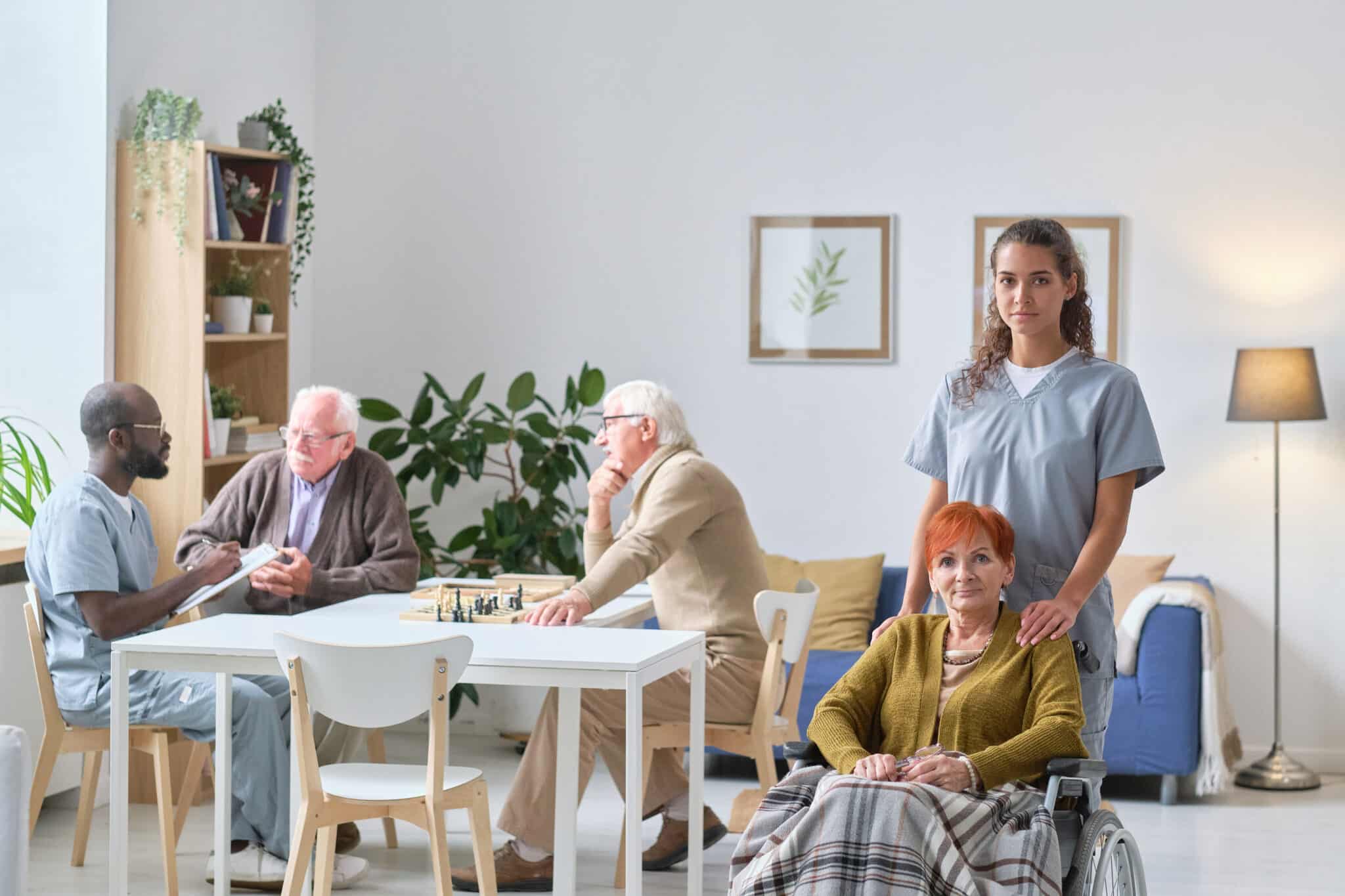
When it comes to long-term care for a loved one, the choice between home health vs nursing home services is one of the most critical decisions a family can make. Each option offers its own benefits, challenges, and costs—but for families who prioritize comfort, flexibility, and individualized attention, home health care often presents a more family-focused, holistic approach to long-term support. This article will explore the differences between home health and nursing homes, helping you make an informed decision rooted in compassion and clarity.
Understanding the Basics
What Is Home Health Care?
Home health care is a medical service delivered directly in the patient’s home by licensed professionals. These services can range from skilled nursing and physical therapy to personal care assistance and medication management. Providers like Advanced Care Partners go beyond medical support, focusing on empowering families and offering customized care that fits the child or adult’s unique lifestyle.
What Are Nursing Homes?
Nursing homes, also known as skilled nursing facilities (SNFs), are residential centers where patients receive 24/7 medical and personal care. They are designed for individuals who need constant supervision due to chronic illnesses, disabilities, or age-related decline.
Key Differences Between Home Health and Nursing Homes
Environment and Comfort
Home health care offers a distinct advantage when it comes to comfort and environment. By receiving care in their own home, patients can remain in a familiar setting surrounded by loved ones, pets, and personal belongings. This drastically reduces stress and anxiety, especially for children and seniors who thrive in stable environments. In contrast, nursing homes are institutional facilities. Although many strive to create a welcoming, homelike atmosphere, they still involve shared spaces, structured schedules, and limited privacy—factors that can affect emotional well-being and overall comfort.
Level of Personalization
One of the greatest strengths of home health care is the level of personalized care patients receive. Nurses and caregivers are able to tailor care plans to suit the individual’s unique needs, routines, and preferences. Whether managing chronic conditions or providing therapeutic services, home health offers flexibility and one-on-one attention that is difficult to match in larger facilities. Nursing homes, on the other hand, operate with set procedures and routines due to the number of residents, making truly individualized care more challenging.
Family Involvement
In-home care fosters high levels of family involvement. Loved ones can be present, observe treatments, and even assist with certain care tasks, creating a team-oriented dynamic that strengthens emotional bonds and empowers families. Caregivers work in tandem with parents, children, and spouses, ensuring open communication and trust. In nursing homes, family involvement is usually limited to scheduled visits and occasional care plan meetings. While staff may provide updates, families have less opportunity to be hands-on in day-to-day care.
Cost and Insurance
From a financial perspective, home health care is often more cost-effective over the long term. There are no overhead costs for lodging or facility management, and services are typically covered by Medicaid, private insurance, or waiver programs like the Katie Beckett Waiver. This makes home health care more accessible for many families who require ongoing support. Nursing homes, especially private ones, can be significantly more expensive due to 24/7 staffing, accommodations, and facility costs. Medicare generally only covers short-term stays in nursing homes, leaving long-term care costs to the family or other insurance plans.
Independence and Dignity
Maintaining independence is a cornerstone of quality care. Home health allows patients to retain control over their daily schedules, meals, and even the people who enter their homes. This fosters a sense of dignity, autonomy, and comfort that is crucial to emotional and mental health. Conversely, nursing homes operate on strict schedules—meal times, bedtimes, and medication rounds are all standardized. While necessary for efficiency, this lack of flexibility can diminish a patient’s sense of independence and self-worth.
Medical and Therapeutic Services
Both care models offer skilled medical services, but home health often excels in specialized, child- or condition-specific care. Advanced Care Partners, for example, provides in-home care that includes ventilator management, tracheostomy care, physical and occupational therapy, and more. These services are delivered in a setting that feels safe and familiar to the patient. While nursing homes also have medical professionals on staff, their services are often broader and less specialized—particularly for pediatric patients or individuals with high-tech medical needs.
When Nursing Homes Might Be the Right Choice
While this article highlights the many strengths of home health care, there are cases where nursing homes may be a more appropriate choice. For example, if a patient requires intensive, round-the-clock supervision and the family is unable to provide support at home, a nursing home may offer the safest environment. Nursing homes are also better equipped for individuals who lack a stable or accessible home, or whose medical conditions make home care impractical.
It’s worth noting, however, that patients can transfer to a home health setting if and when their condition stabilizes. Advanced Care Partners specializes in patient transfers, ensuring seamless transitions and uninterrupted care continuity.
The Emotional Side of the Decision
Choosing between home health and a nursing home goes beyond logistics and insurance policies—it’s an emotional decision. Families often wrestle with guilt, worry, and the desire to do what’s best for their loved ones. The most family-focused option is usually the one that fosters closeness, reduces stress, and enables loved ones to remain in nurturing environments.
Home health care aligns with these values. It preserves the family dynamic, empowers caregivers, and allows patients to heal or live more fully in a space where they feel safe. Providers like ACP are deeply committed to building relationships, not just care plans. Their mission to “enable families to be families” is more than a tagline—it’s a philosophy that permeates every interaction.
Technology, Transition, and Trust
Modern home health care is supported by a wealth of technology and tools that make it safer and more effective than ever. Telehealth services, remote monitoring, and smart medical devices allow care teams to track health metrics, make real-time decisions, and adjust care plans as needed. Families receive the benefits of professional care without leaving their homes, and the transition to in-home care is made easier with the guidance of experienced providers.
Advanced Care Partners is particularly skilled in this area, supporting families every step of the way and ensuring that every detail—from equipment setup to caregiver training—is handled with compassion and professionalism.
ACP’s Commitment to Families
Advanced Care Partners doesn’t see care as a transaction—it’s a relationship. Their team is handpicked for both clinical skill and emotional intelligence, ensuring that every patient is treated with empathy, patience, and dignity. With ACP, you’re not just hiring a nurse—you’re gaining a partner in care who’s deeply invested in your family’s well-being.
From pediatric to adult care, ACP offers a continuum of services designed to evolve with your loved one’s needs. Whether it’s private-duty nursing, personal care assistance, or care during school hours, ACP brings high-quality healthcare into your home—and into your life.
One Size Doesn’t Fit All—But Home Health Fits Most
There is no one-size-fits-all answer in the debate of home health vs nursing home care. Each situation is unique, and each family must weigh what matters most. But for many, home health provides the comfort, flexibility, and personalized attention that align with their values and goals.
If you’re at a crossroads, consider this: Where will your loved one feel most secure and respected? Where will your family feel supported and involved? Where can healing take place, not just physically, but emotionally?
More often than not, the answer leads back home.